
Event Highlights
- Home
- Event Highlights
- Dongshi Yulong Temple: Walking with the Divine — The Systematic Development and Modern Applications of Oracle Poems
Dongshi Yulong Temple:
Walking with the Divine — The Systematic Development and Modern Applications of Oracle Poems
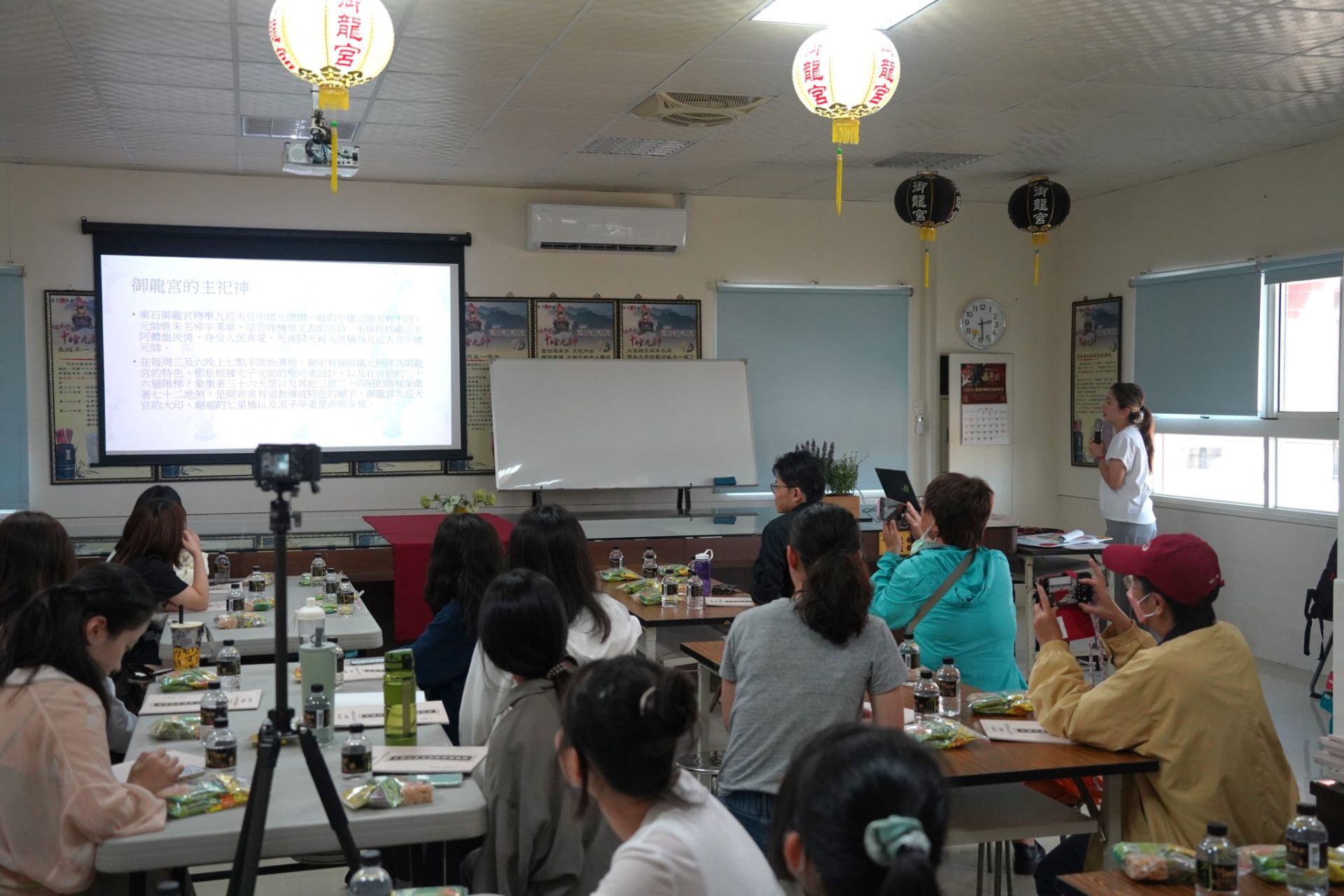
On May 18, the Center held the event “Dongshi Yulong Temple: Walking with the Divine — The Systematic Development and Modern Applications of Oracle Poems.” We extend our sincere gratitude to Director Mao-Chang Yang and Deputy Director Chin-Jung Shen of Yulong Temple, as well as Chairman Chin-Shih Ou and Teacher Tsun-Hsien Hsiao of the Zhuilong Oracle Interpretation Cultural and Historical Research Association, for their generous assistance in making this event possible.
At the beginning of the event, participants set out on an enjoyable journey to Dongshi. Moderator Professor Yu-Cheng Liao opened the event on the tour bus. For this event, the Center invited Professor Shu-Ju Lee as the keynote speaker. Professor Lee first introduced the historical context and development of oracle poems, pointing out that oracle poems are not merely a form of folk divination, but have long served as an important “reminder for daily living” in Han Chinese society. From early temple ritual practices to their modern function as a source of psychological consolation, oracle poems have reflected people’s needs in different historical contexts as they confront life choices, changes in fate, and the reordering of social norms.
Professor Lee then further analyzed the literary features and symbolic meanings of oracle poems. Using several common oracle poems as examples, she explained that their language often combines allusions, metaphors, and moral exhortation. Through four-character, five-character, or seven-character forms, they present ethical concepts and life philosophies rooted in traditional Han culture. Particularly interesting is the fact that fable-like stories often appear alongside each oracle poem, helping the oracle poem—or divine message—to be understood in a clear and accessible way. In addition, Professor Lee noted that oracle interpretation is not simply a matter of determining good or bad fortune. Rather, through the interaction among worshippers, oracle interpreters, and religious spaces, it forms a cultural practice with both social and psychological dimensions.
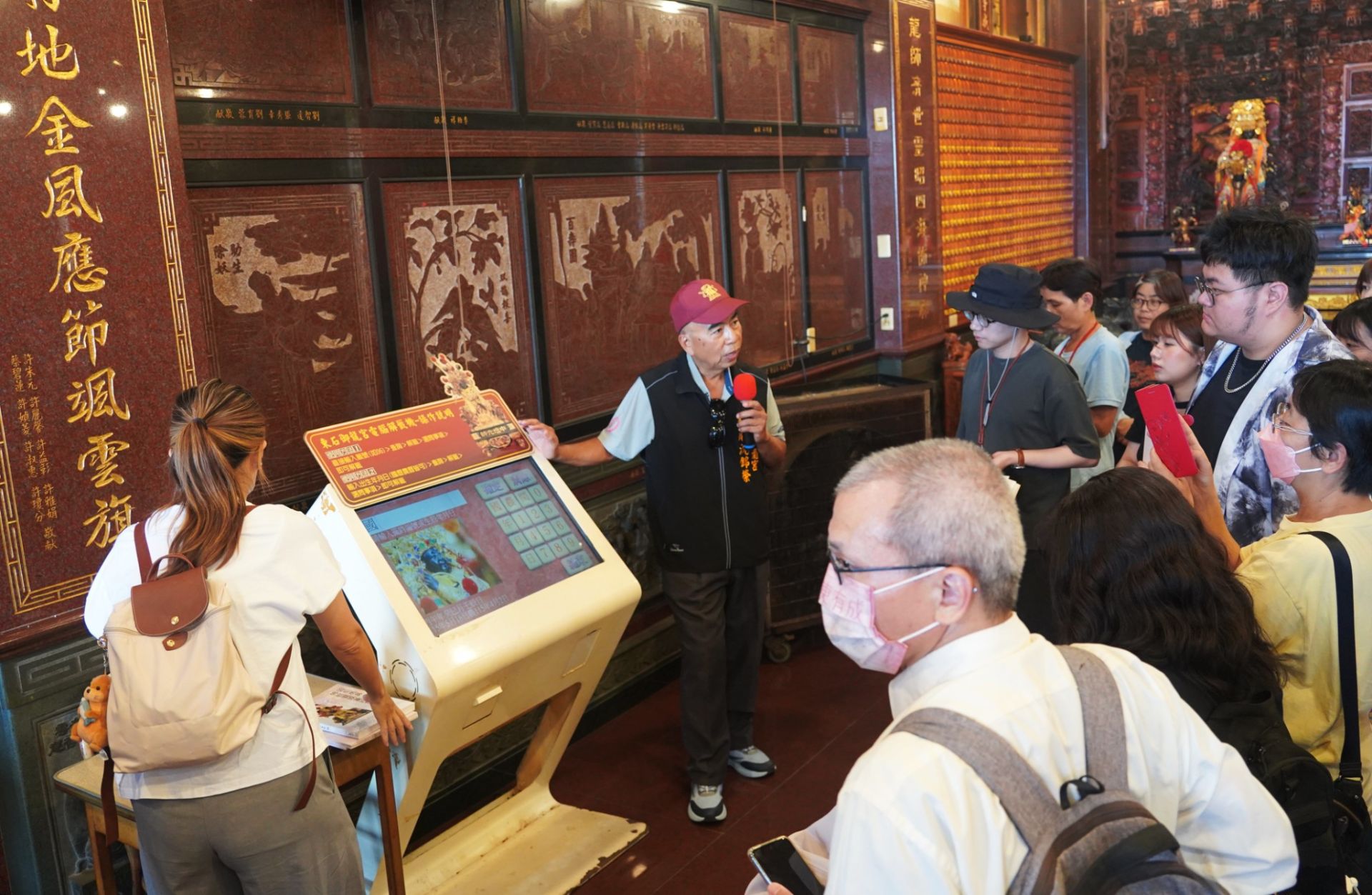
In the second stage of the event, participants toured Yulong Temple. Temple staff provided a detailed introduction to the temple’s geographical environment and enshrined deities, and guided participants in learning about their independently developed oracle interpretation machine. Integrating knowledge from different fields, the machine is specially designed so that users only need to enter their date of birth to ask any question, and it can even print out the oracle poem. This oracle interpretation machine received an enthusiastic response from the participants, who were deeply engaged by the experience.
Finally, immersed in the vibrant atmosphere of oracle interpretation culture, participants set out on the return journey. Through this event, attendees not only gained a deeper understanding of oracle poem culture, but also developed a fuller appreciation of the daily life, historical significance, and cultural value of folk beliefs in Taiwan and the broader Han Chinese world. The Center sincerely thanks all participants for their enthusiastic engagement. In the future, the Center will continue to promote more Chinese Studies events that integrate theory and practice, expand the possibilities for interdisciplinary dialogue, and deepen the connection between humanistic reflection and everyday life.